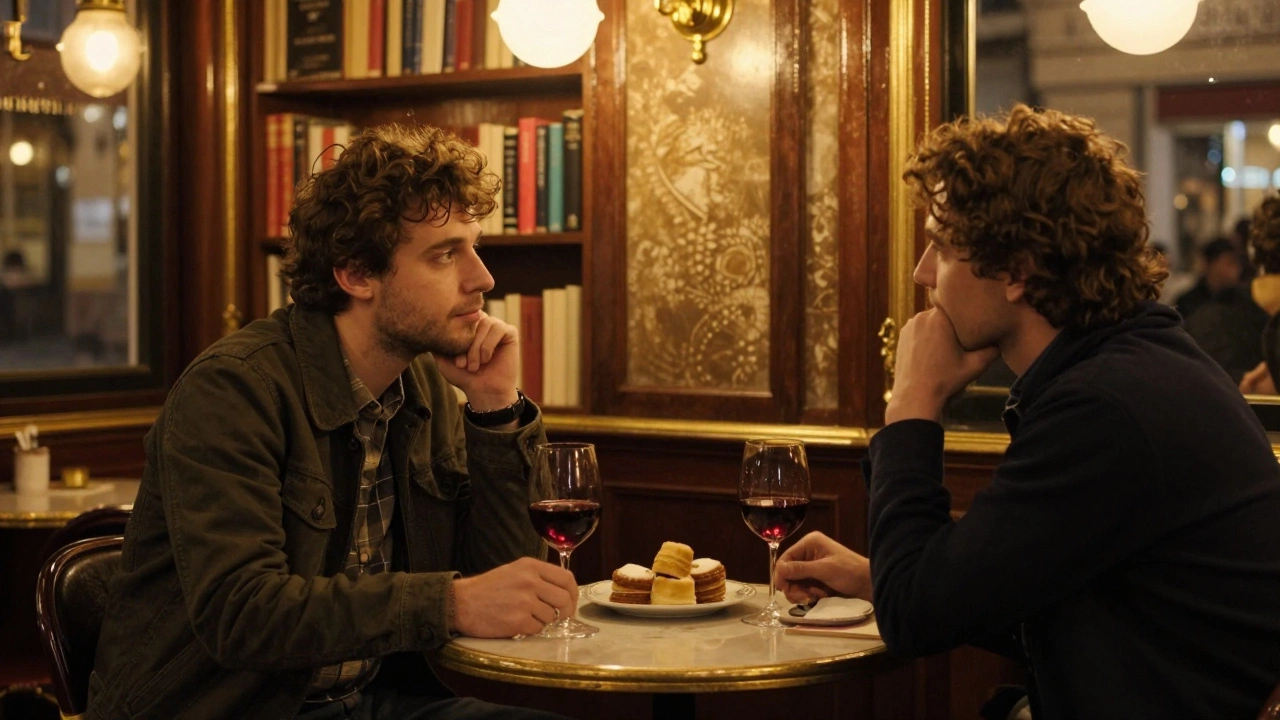
France isn’t just about croissants, cathedrals, and café culture. For many visitors-and even locals-there’s a quiet demand for companionship that goes beyond tourism brochures. Whether you’re in Paris for a business trip, exploring Lyon after work, or just want someone to share a quiet dinner with, escort services in France have become a normalized, if rarely discussed, part of urban life. It’s not about romance or sex in the way most assume. More often, it’s about connection, confidence, or simply having someone who knows the city better than any guidebook.
Some people turn to services like escourt paris because they’re traveling alone and feel isolated. Others want to experience French nightlife without the awkwardness of approaching strangers. A few are looking for cultural insight-someone who can explain local customs, recommend hidden gems, or even help with language barriers. These services aren’t just about physical presence; they’re about tailored experiences.
How It Actually Works
There’s no secret handshake or back-alley deal. Reputable escort services in France operate like any other professional service. Clients book online, choose from profiles that include interests, language skills, and availability, and arrange meetings in public places first. Many providers set clear boundaries upfront: no sexual services, no pressure, no hidden fees. The focus is on companionship-dinner, museum visits, walking tours, or just sitting in a park talking.
Unlike what movies show, most escorts in France are independent contractors. Many are students, artists, or multilingual professionals who work part-time. One woman in Marseille told me she started after her graduate program ended and needed flexible income. She speaks five languages, loves classical music, and now takes clients to jazz clubs in the Panier district. Her clients? Mostly Germans and Canadians who want to hear real stories about French life, not tourist scripts.
The Legal Gray Zone
France doesn’t criminalize selling companionship. But it does ban prostitution, and the line between the two is thin and heavily policed. If money changes hands for sexual acts, it’s illegal. If it’s for conversation, company, or guided experiences? That’s legally fuzzy but generally tolerated-as long as it’s discreet. Police rarely intervene unless there’s public disturbance or exploitation involved.
Most reputable providers avoid anything that could be misinterpreted. They use clear contracts, meet in public initially, and never go to private residences on the first meeting. Some even offer group outings to reduce risk. This isn’t a wild west. It’s a cautious, low-profile industry built on trust and boundaries.
Who Uses These Services?
It’s not just lonely businessmen or wealthy tourists. I’ve met retirees from Australia who hire escorts to accompany them to wine tastings in Bordeaux. I’ve talked to young French women who use the same platforms to find English-speaking friends to practice with. There’s a growing number of LGBTQ+ travelers who feel safer with a known companion in cities where public displays of affection can still draw stares.
One man from Tokyo told me he hired an escort during his week in Lyon because he was nervous about speaking French. She didn’t translate for him-she encouraged him to try, corrected him gently, and laughed when he messed up. He said it was the most human interaction he had on his whole trip.
What to Look For
If you’re considering using an escort service in France, here’s what actually matters:
- Transparency: Profiles should list real interests, not just physical traits. Look for details like hobbies, favorite books, or places they recommend.
- Communication: Do they respond quickly? Do they ask questions about your interests? Good providers care about matching, not just closing a deal.
- Location: First meetings should be in public, well-lit areas. Cafés, museums, or parks are standard.
- Payment: No cash-only deals. Reputable services use secure platforms with receipts.
- Boundaries: They should clearly state what’s included-and what’s not-before you meet.
Avoid anyone who pushes for privacy too fast, refuses to meet in public, or uses vague language like "special services." That’s not professionalism. That’s risk.
Why This Isn’t Just About Sex
Let’s be honest: most people assume this is about sex. But the reality is far more nuanced. Many clients say the biggest value is emotional safety. In a foreign city, it’s easy to feel invisible. An escort who remembers your name, asks about your day, and doesn’t judge your awkward attempts at French is rare-and valuable.
One woman from Toronto said she hired someone in Nice after her divorce. She didn’t want romance. She wanted to feel normal again. They spent three days walking the Promenade des Anglais, eating seafood at small markets, and talking about books. She cried when it ended-not because of what happened, but because she finally felt seen.
That’s not transactional. That’s human.

Regional Differences
Paris is the most visible, but it’s not the only place this exists. In Lyon, services lean toward cultural immersion-history buffs, food lovers, art lovers. In Marseille, many escorts are multilingual and focus on helping travelers navigate the city’s complex social layers. In Bordeaux, it’s wine, music, and quiet evenings.
And then there’s escort tou. It’s not a location-it’s a term some users search for when they want something more casual, more spontaneous. It’s not official, but it’s out there. Same with escorte girle paris. These are search terms people use when they’re looking for something specific, often younger, more energetic, or more focused on nightlife. They’re not endorsements. They’re just how people find what they need.
What to Avoid
Don’t fall for fake profiles with stock photos. Don’t pay upfront without a meeting plan. Don’t assume price equals quality. Some of the best experiences I’ve heard about cost under €50 an hour. Others were €300 and felt hollow.
Also, don’t treat this like a fantasy. These are real people with lives, boundaries, and reasons for doing this work. Respect them like you would any other professional.
Final Thoughts
France’s companionship industry isn’t glamorous. It’s quiet, practical, and often misunderstood. But it fills a real gap-for travelers who feel lost, for locals who feel lonely, for anyone who just wants to be with someone who’s genuinely present.
If you’re thinking about trying it, go in with clear intentions. Don’t look for magic. Look for connection. And if you’re lucky, you’ll find someone who makes you feel like you belong-even if just for an evening.